 Jopa -60 % HobbyHall PLUS -jäsenille! Nappaa diilit nyt >>
  PLUS-jäsenille: valikoiduista tuotteista -10 %, -20 % tai -30 % koodeilla >>

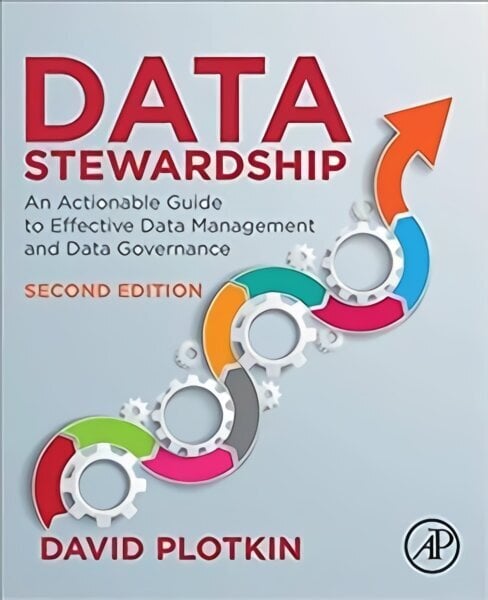
Data Stewardship: An Actionable Guide to Effective Data Management and Data Governance 2nd edition
Lisätiedot:
| Tekijä: | David Plotkin |
| Sivujen määrä: | 322 |
| Julkaisuvuosi: | 2020 |
| Tuotekoodi: | 14409948 |
Lisätietoja
Myyjä:
595 €
1295 €
1395 €
Toimitusajat ovat arvioita. Tarkka toimituspäivä näytetään postinumeron syöttämisen jälkeen tai tilausvahvistuksessa.
595 €
1395 €
1395 €
Toimitusajat ovat arvioita. Tarkka toimituspäivä näytetään postinumeron syöttämisen jälkeen tai tilausvahvistuksessa.

Myyjä:
- 100% asiakkaista suosittelee tätä myyjää.
Tuotteen kuvaus: Data Stewardship: An Actionable Guide to Effective Data Management and Data Governance 2nd edition
Data Stewardship, Second Edition, provides clear, concise and practical advice on implementing and running data stewardship, including guidelines on how to organize based on organizational/company structure, business functions and data ownership. The book shows data managers how to gain support for a stewardship effort, maintain that support over the long-term, and measure the success of a data stewardship effort. It includes detailed lists of responsibilities for each type of data steward and strategies to help the Data Governance Program Office work effectively with the data stewards. Data stewards in any organization are the backbone of a successful data governance implementation because they do the work to make data trusted, dependable, and high quality. Since the publication of the first edition, there have been several critical new developments in the field, such as integrating Data Stewardship into project management, handling Data Stewardship in large international companies, handling Big Data and Data Lakes, and most importantly, a pivot in the overall thinking around the best way to perform data stewardship – moving from business/organizational function to data domain. Features an enhanced section on data governance/stewardship structure for companies that do business internationally, including the structure of business terms to account for country differencesOutlines the advantages and disadvantages of data domains, details on suggested domains, domain structures, and governance by data domainsIntegrates data governance into project methodology, defining roles on a project, adding DG tasks to the WBS, and discussing how to include DG in the PMOInvestigates additional important roles for Data Stewards related to Data Lineage, Process Risk Management, and Data Lifecycle Management
Yleiset tuotetiedot: Data Stewardship: An Actionable Guide to Effective Data Management and Data Governance 2nd edition
| Tuotekoodi: | 14409948 |
| Kategoria: | Talouskirjat |
| Pakkausten määrä: | 1 kpl |
| Pakkauksen koko ja paino (1): | 0,03 x 0,19 x 0,24 m, 0,68 kg |
| Myyjän kotimaa: | Liettua |
| Kustantamo: | Elsevier Science Publishing Co Inc |
| Kirjan kieli: | Englanti |
| Kannen tyyppi: | Pehmeä |
| Muoto: | Perinteinen kirja |
| Tyyppi: | Liiketoiminta |
| Kirja: | Ei |
| Myyjä: | Patogupirkti |
| Tekijä: | David Plotkin |
| Sivujen määrä: | 322 |
| Julkaisuvuosi: | 2020 |
Lisätietoja
Tuotteiden kuvat ovat havainnollistavia. Tuotekuvauksen videolinkit ovat vain tiedoksi, joten niiden sisältämät tiedot voivat poiketa itse tuotteesta. Alkuperäisten tuotteiden värit, huomautukset, parametrit, mitat, koot, ominaisuudet ja/tai muut ominaisuudet voivat poiketa niiden todellisesta ulkonäöstä, joten katso tuotetiedot tuotekuvauksista.
Muita kiinnostavia tuotteita
Kumppanitarjoukset
Sponsoroitu
Arviot ja arvostelut (0)
Data Stewardship: An Actionable Guide to Effective Data Management and Data Governance 2nd edition
Ole ensimmäinen, joka jättää arvostelun!
Tätä tuotetta voivat arvioida vain Hobbyhall.fi rekisteröityneet asiakkaat.
Kirjoita arvostelu